
Insights
/ Notes
Ideas forming at the intersection of physical AI, scarce expertise, operational archives and national capability.
These are first-principles notes—not a content machine. Published with a date, an author and enough context to make the origin clear.
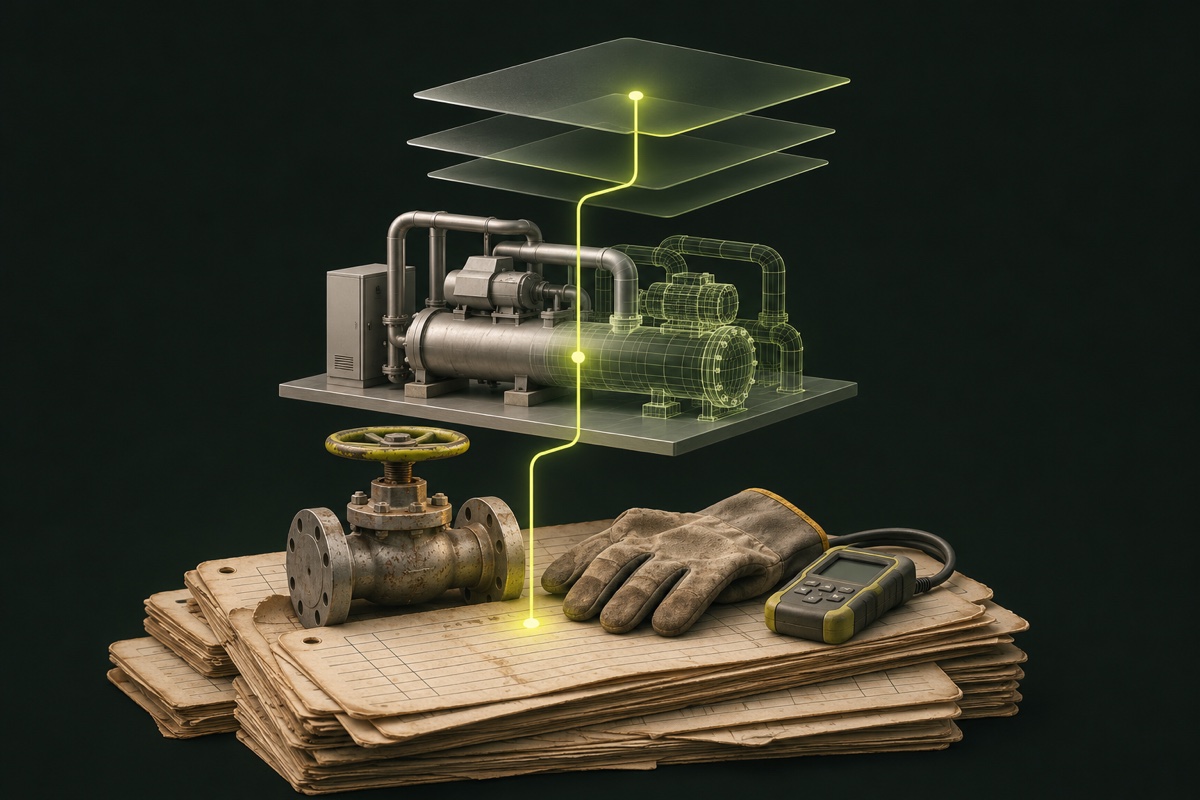 19
The Archive Layer
New capture has a market. Existing operational histories—especially rare failures and fixes—raise a different question about what survives and what it may be worth.
Read the note ↗Two Assets: a voluntary pilot.
One willing project, eighteen months, and a secure outcome-linked record. Seeking a proponent and design funder. Governance before collection.
 18
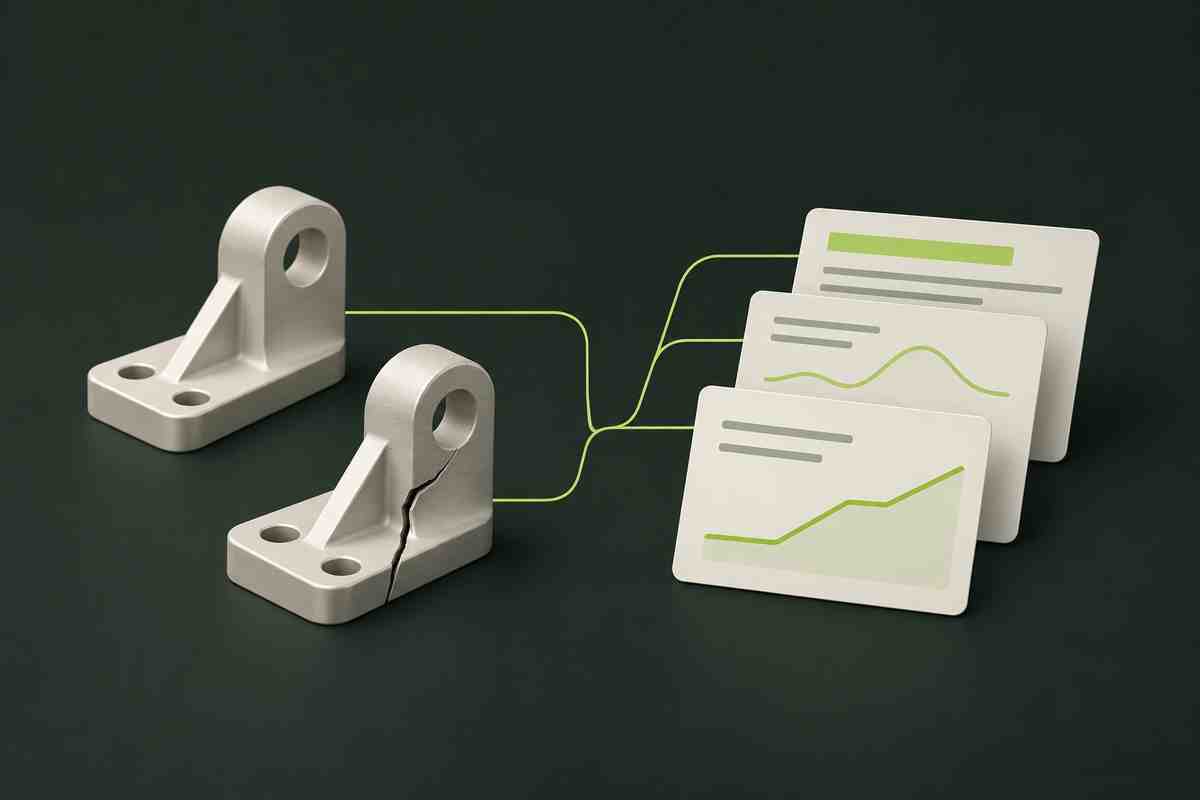
Proof is the product.
An archive's value rests on what it can prove: where the records came from, what happened, and how a model can be tested against them.
Read the note ↗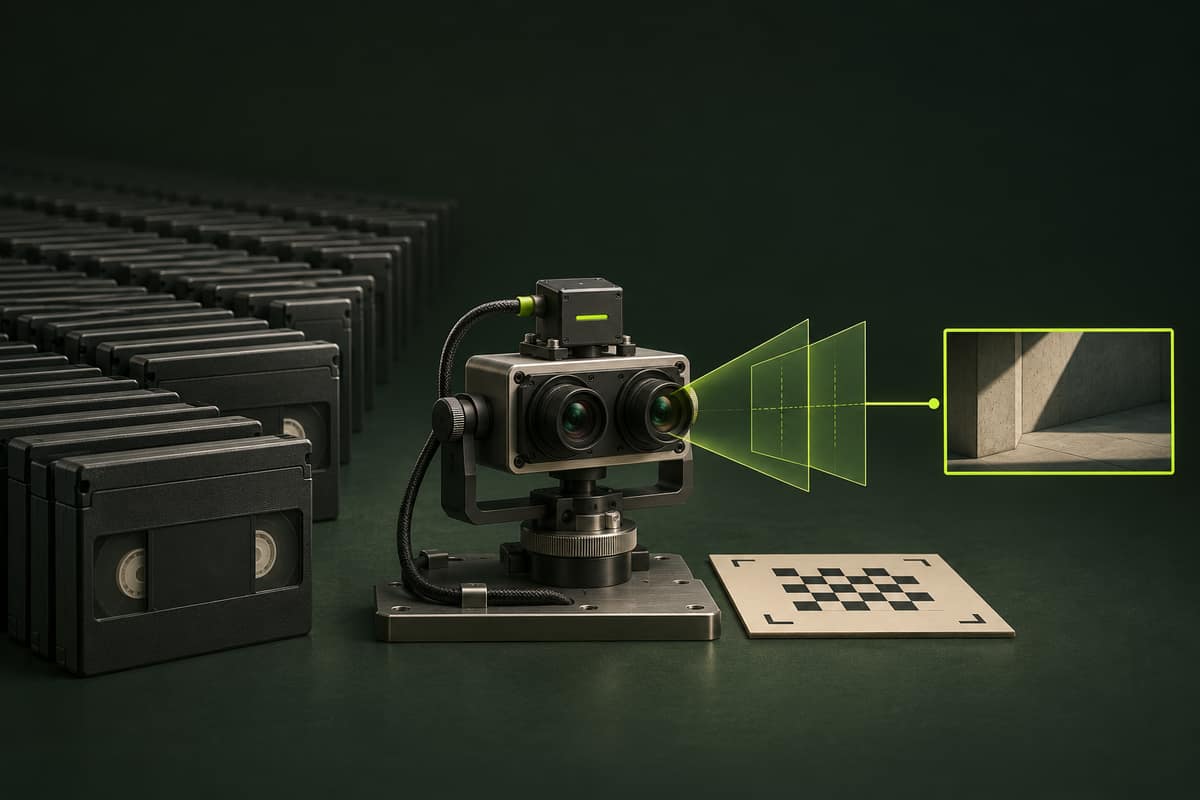 17
The glut is not the market. It’s the inventory.
A flood of cheap listings can coexist with a shortage of records that meet a buyer's actual requirements. The question is which inventory can do the job.
Read the note ↗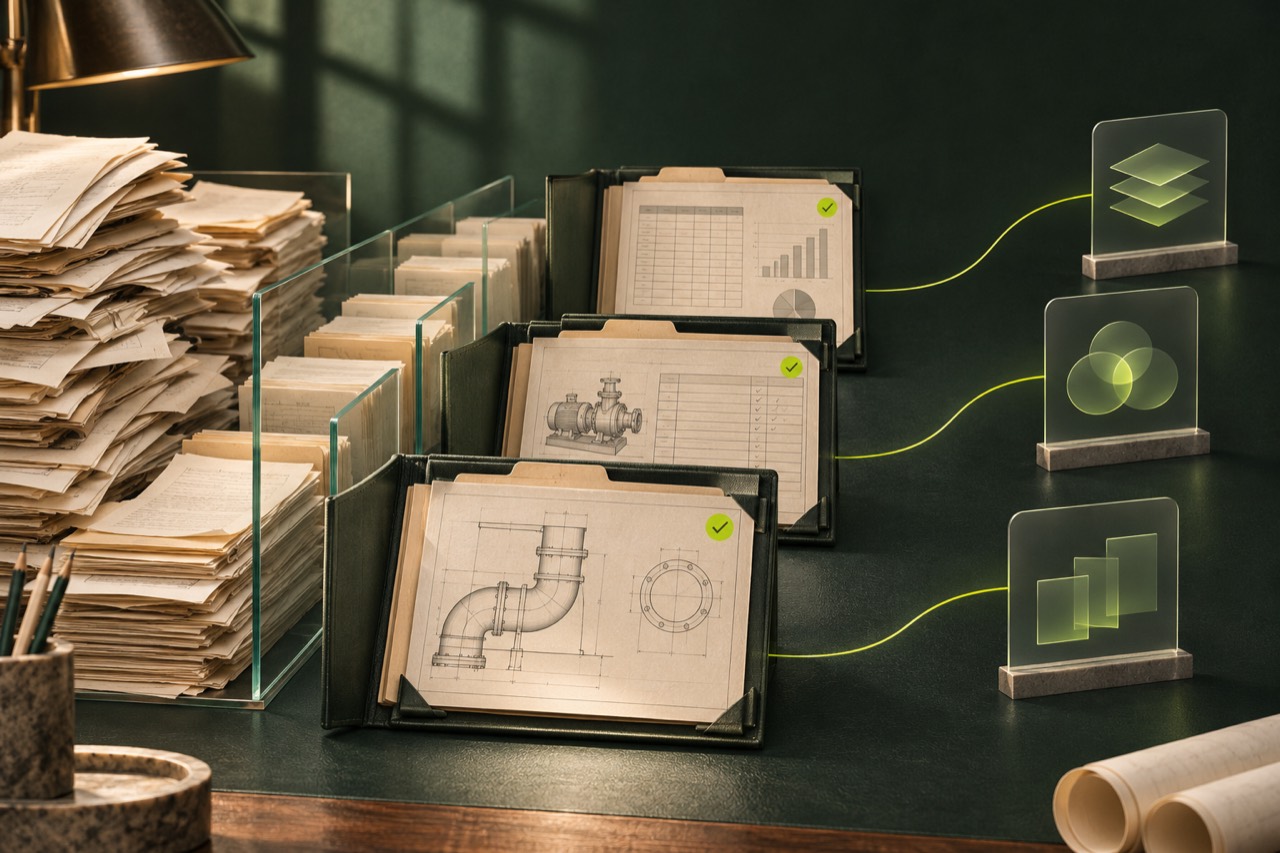 16
The market isn’t ending. It’s graduating.
Buyer silence may signal changing requirements. Archive owners should test demand without surrendering their future options.
Read the note ↗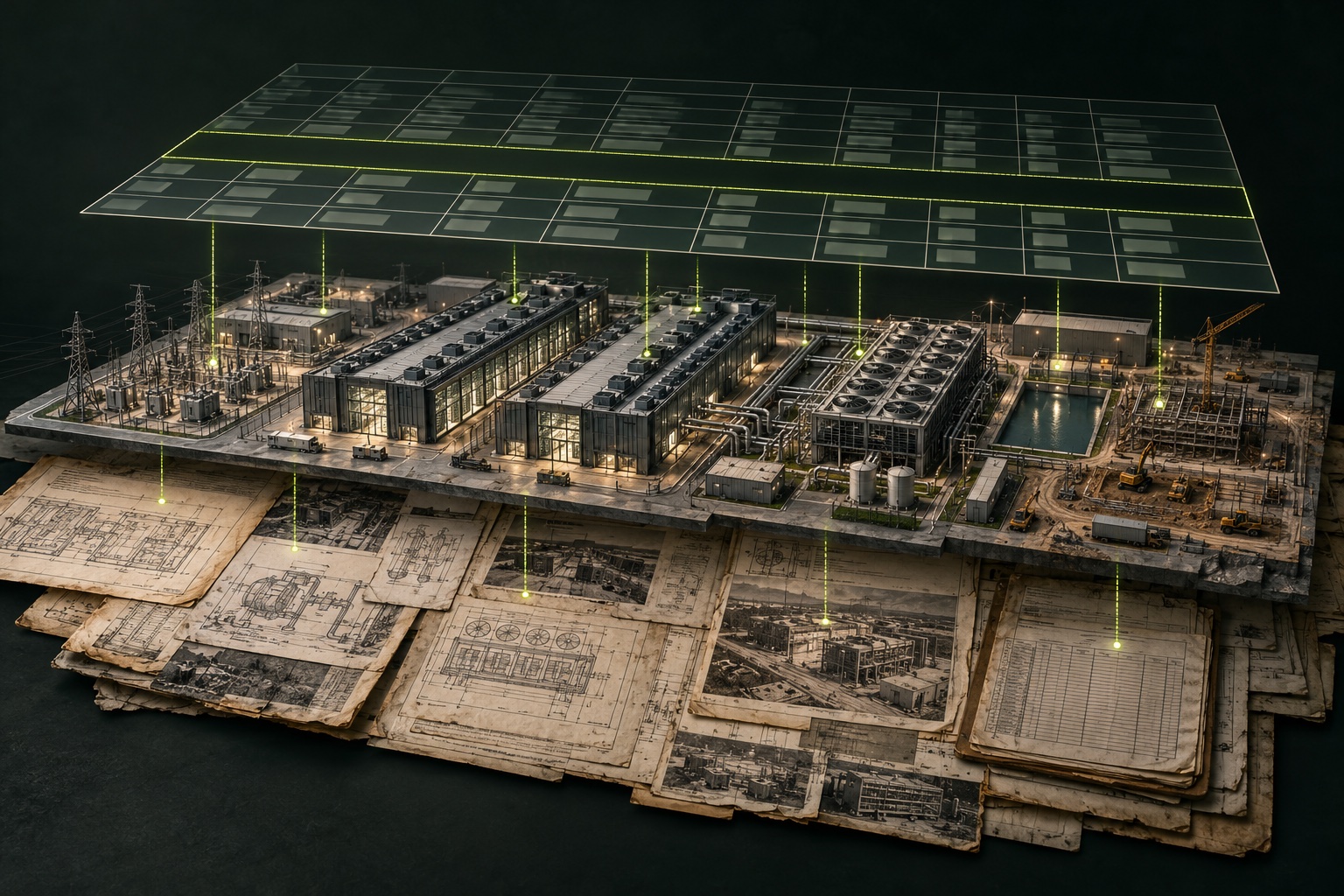 15
The model is the argument, and data is the missing row.
The model prices the gigawatts. It leaves unpriced the operating knowledge of the people who have to deliver them.
Read the note ↗ 14
The real RSI has a data problem.
Robots building AI’s infrastructure raise a prior question: what do they learn from?
Read the note ↗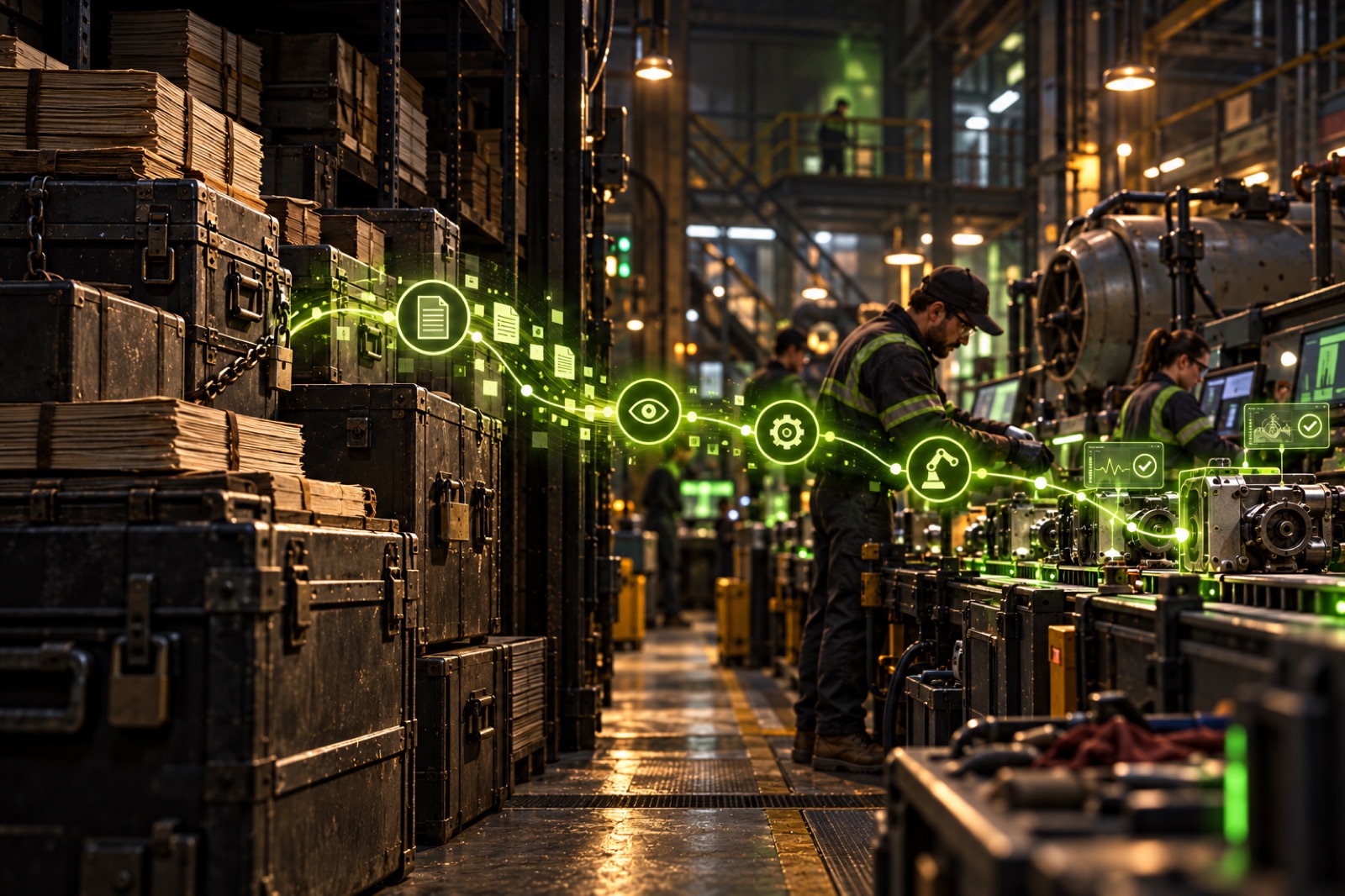 13
Cognitive mercantilism comes for training data.
The durable position may not be a static hoard. It may be the trusted supply relationship that keeps producing useful records.
Read the note ↗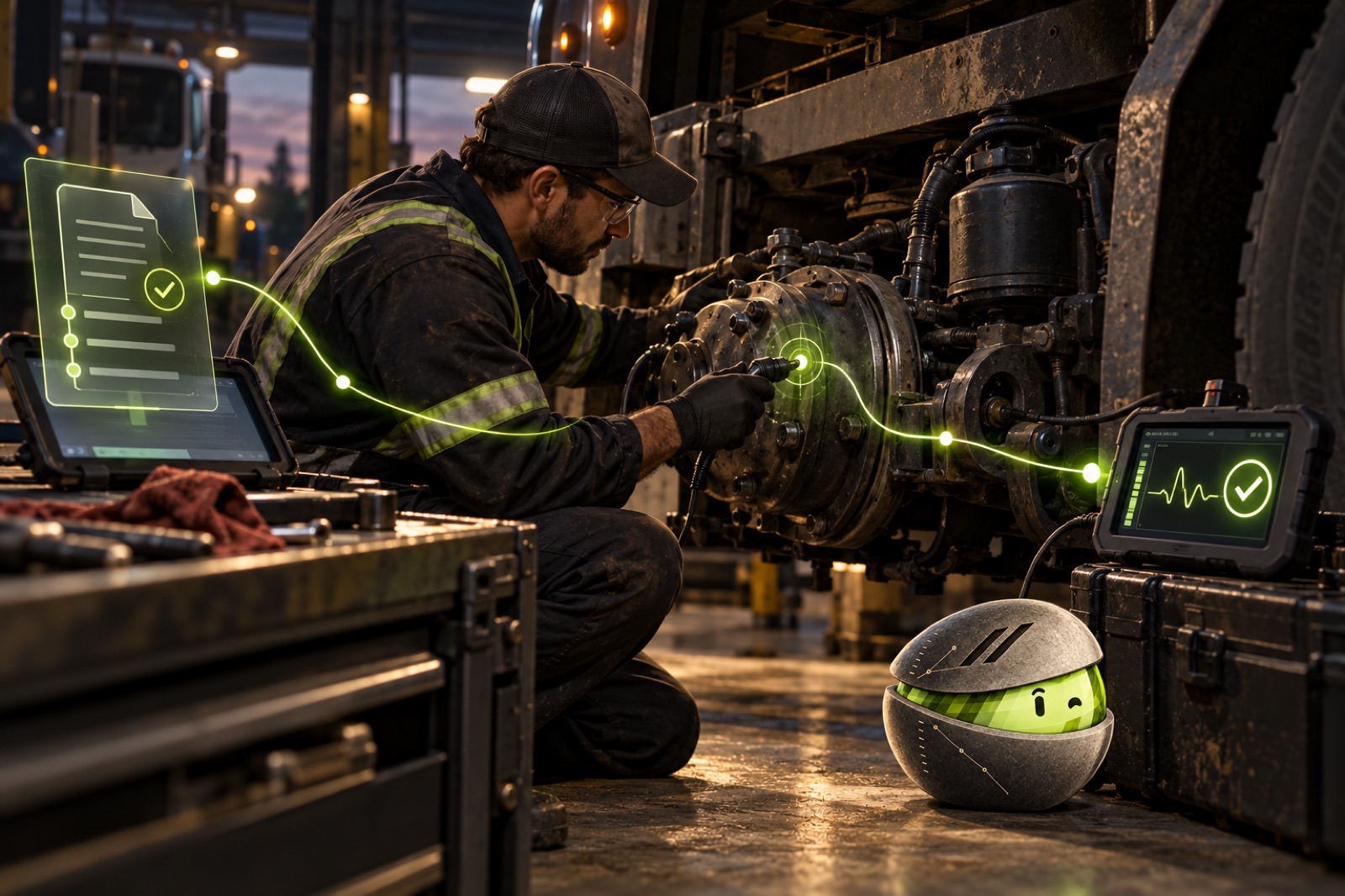 12
The work order isn’t the repair.
As AI agents enter physical operations, the scarce record is proof that the work solved the problem.
Read the note ↗ 11
The CEO may be easier to automate than the welder.
Why organizational rank and informational scarcity are moving in opposite directions.
Read the note ↗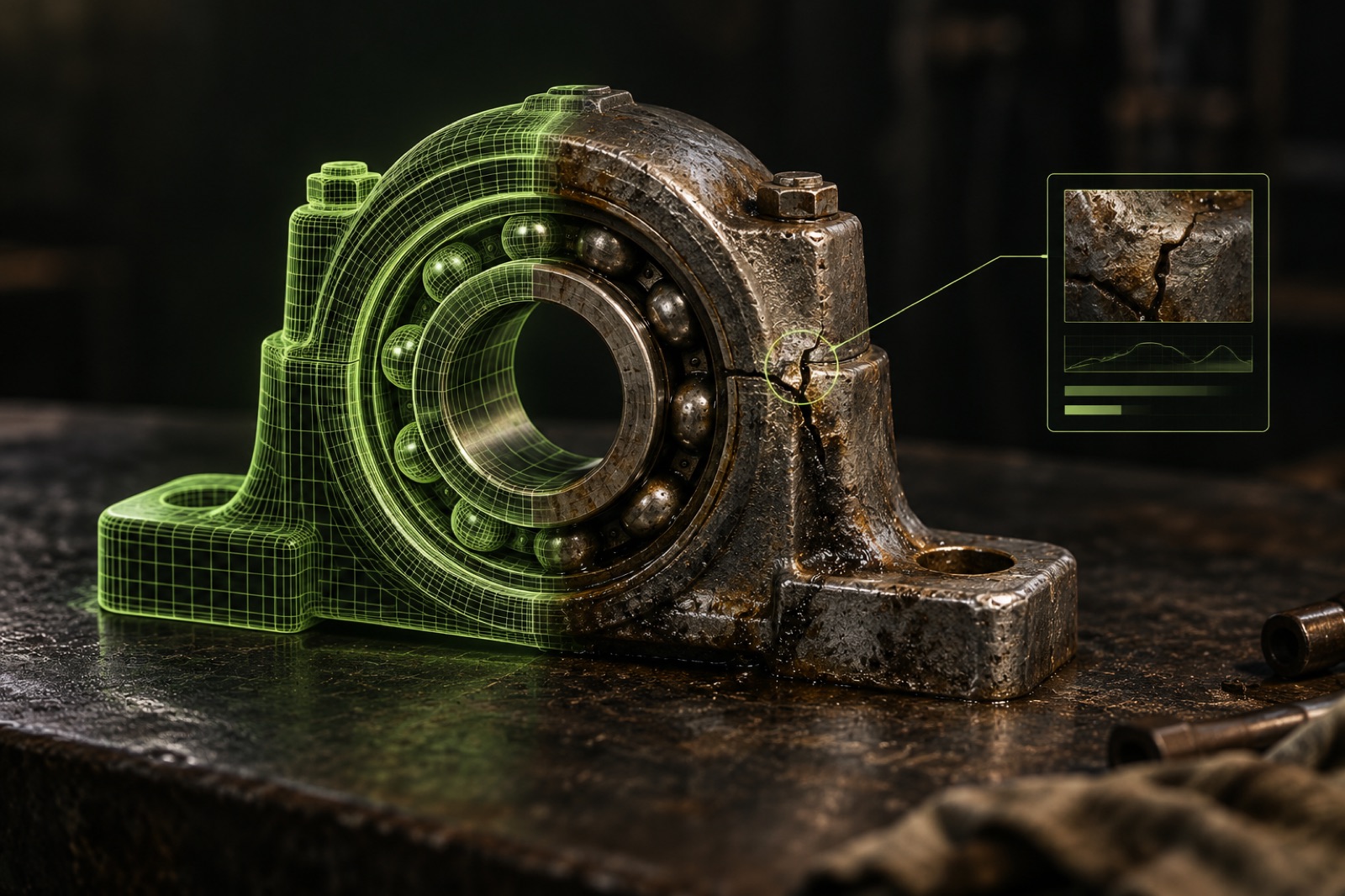 10
The most valuable robotics data might be what the simulation gets wrong.
As simulation improves, the opportunity may shift from more demonstrations to evidence about real failures, rare conditions and verified outcomes.
Read the note ↗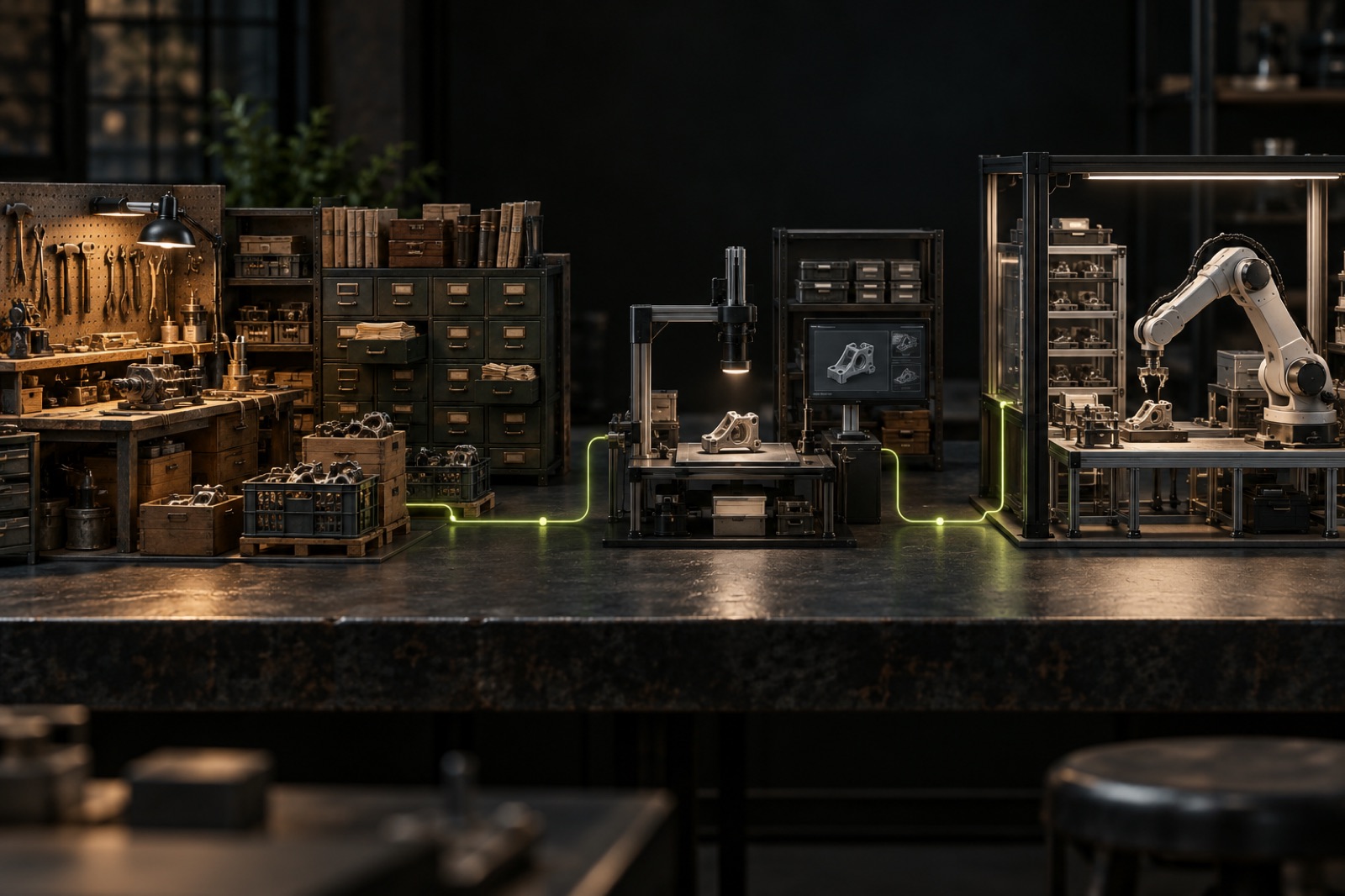 09
The Scale AI of robotics needs a supply chain.
Collection capacity matters. So does access to experience that cannot simply be recreated. The case for origination in robotics data.
Read the note ↗ 08
The camera isn’t the dataset.
Recording work and producing useful training data are not the same thing. Start with what a buyer needs to learn—not the cheapest camera.
Read the note ↗ 07
Don’t sell your data without a broker.
The first call is not a market. A wider buyer view, a controlled process and better terms should earn the cut—or you should not pay it.
Read the note 06
Wall Street is financing the hunt for enterprise data.
micro1’s $1 billion commitment puts institutional capital behind enterprise-data acquisition. Money can fund the hunt. It cannot recreate the history.
Read the note 05
France just bought America’s geometry engine.
Schneider’s $22.6 billion PTC acquisition is a signal about the value of proven industrial data—and why no new technology can manufacture the missing archive.
Read the note 04
Dead hosts don’t spread viruses.
AI anxiety has the question backwards. The machines need the knowledge in your hands—and that gives you leverage.
Read the note 03
Every megaproject should leave behind two assets.
One project proves the model: a voluntary pilot to preserve the record of how Canada builds, with optional licensing upside.
Read the note 02
Carney’s AI council is missing the data seat.
Thirteen members. A serious mandate. One conspicuous gap: nobody whose job is to find, clear and move the data the models are made of.
Read the note01Canada is building sovereign AI on somebody else’s data.
Compute is rented. Data is destiny. The case for treating Canadian corpora, operational records and expert knowledge as strategic infrastructure.
Read the noteThe things worth building usually begin as a question.
Archive Signal is being built in public, carefully. This corner is where we record the questions behind the work: what intelligent systems will need to learn, who already knows it, and what Canada should be doing before the infrastructure becomes someone else’s.
Published ideas should show their work.
Each note will carry its publication date, author and source context. The point is not to claim ownership of a field. It is to make a clear record of when a particular question, framing or proposal was put forward here.
drew@archivesignal.ca ↗